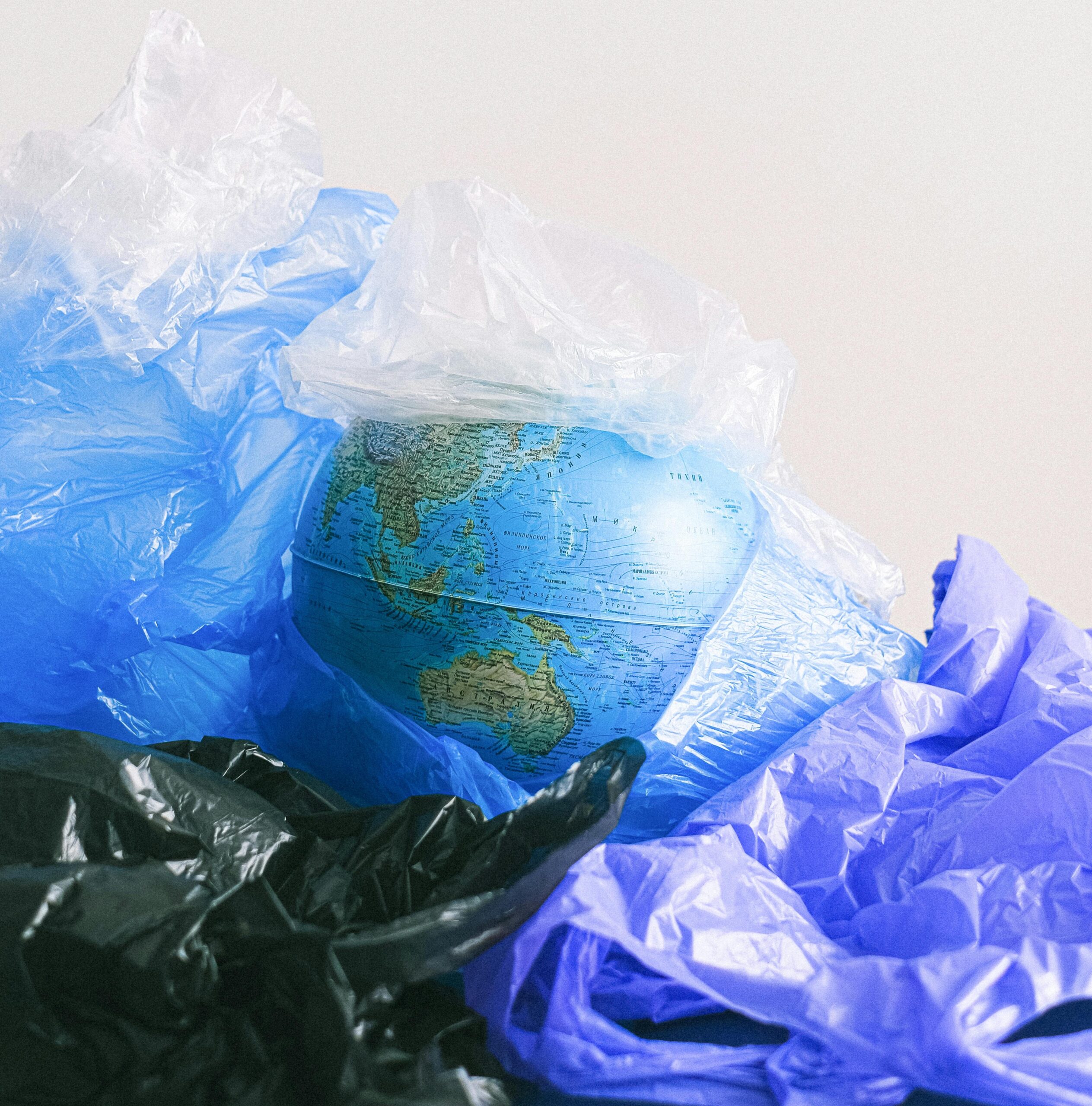
Starting a new creative interest often leaves us overflowing with inspiration and a lengthy shopping list of all the tools and equipment we need to get started. Whether you’ve taken up knitting or crochet, started tending to an allotment plot, or found a creative outlet in photography, it seems as though every activity comes with unavoidable plastic. This plastic tax is a debt we unknowingly pass on to the planet, embedded in blister packs, bubble wrap, synthetic parts, and virgin materials extracted and moulded for short-term use.
The zero-waste movement asks us to pause before clicking “add to cart” and question whether we actually need the item, or if we’re just craving the ‘new’. Instead, we can become more conscious of how we shop for our passions and reduce our plastic consumption in the process. You might be thinking about curating a sustainable camera kit or growing an urban garden. Wherever your interest takes you, it’s possible to pursue it without creating plastic waste. Here are some tips on honing your creativity whilst keeping your environmental impact low.
Mindful photography
Visual storytelling almost seems inseparable from cutting-edge technology, but you don’t need the latest camera to create incredible photos. Cameras, lenses, tripods, and lighting equipment are all sophisticated tools engineered for longevity, and a well-maintained, pre-owned camera can produce images that are indistinguishable from those captured on a brand-new device.
Sourcing pre-owned hardware
Unfortunately, electronic waste is skyrocketing because of the constant pressure to have the ‘latest and greatest.’ We can step off this upgrade treadmill by choosing pre-owned hardware. By supporting brands that build things to be fixed rather than tossed away, we can rely on replaceable batteries and spare parts to give our devices a much longer lifespan.
For extra eco points, look for retailers who extend their plastic-free philosophy to their doorstep. A great example is MPB, a circular platform for used photo and video equipment; they’ve swapped traditional bubble wrap for packaging made entirely from sustainably sourced or recycled card and paper. It’s a small detail that makes unboxing your new-to-you kit feel much more aligned with your values.
Wait out the hype
A model from two or three years ago often performs nearly as well as the latest release, at a fraction of the financial and environmental cost. When it comes to digital products, new is often marketed as better. Most of a device’s environmental footprint is created during manufacturing, so extending the life of existing electronics is one of the most effective ways to reduce the impact of your hobby.
Home gardening and propagation
Few hobbies feel as wholesome and nurturing as gardening, but even this earth-centred activity can come wrapped in plastic. Seed trays, nursery pots, plant tags, soil bags, and even irrigation systems frequently rely on plastic-based materials. The good news, however, is that gardening also lends itself beautifully to low-impact alternatives.
Growing without the plastic
Try propagating plants in glass jars or reusable containers to eliminate disposable nursery pots and use your kitchen scraps to start your own compost pile. This removes the need for endless plastic bags of compost to feed your soil. Community seed swaps are another great way to get new seeds for your garden and meet fellow gardeners in your local area. Garden Organic have a useful list of seed swaps around the UK, but if there’s not one near you, why not organise your own?
Textile arts
Hobbies like embroidery and knitting aren’t just creative outlets; they’re a quiet rebellion against disposable fashion. It’s easy to forget that most store-bought clothes are essentially plastic, relying on synthetic fibers that leak microplastics into our water. By taking the reins and choosing natural materials like cotton or wool, you’re opting for a “plastic-free wardrobe.” These don’t just feel better against your skin; they’re kind to the planet because they can eventually return to the earth.
Visible mending
This is both a practical skill and a creative movement that encourages us to patch, darn, or embellish an item before throwing it out, making your textile passions more eco-friendly. Maintaining clothes is something people have done throughout history; it’s only in recent years that we’ve felt compelled to discard our clothes the moment they become a bit worn or damaged. Returning to this philosophy of repair doesn’t just save a garment from the landfill; it changes how we value our belongings. It’s a shift from being a passive consumer to an active caretaker of the things that we own.
Creativity vs fast fashion
By reducing environmental impact, craft becomes a form of activism. Repairing clothing is a deliberate refusal to participate in the churn of cheap, short-lived fast fashion. A torn knee might become a canvas for some colourful sashiko stitching or a frayed cuff could be transformed into a reinforced design element. It’s a way to wear your values on your sleeve (literally), and transform a mass-produced garment into a one-of-a-kind piece with a story to tell.
Outdoor exploration
Hiking and camping connect us to the natural world, so it makes sense that we should want to protect those landscapes we love to explore so much. Unfortunately, outdoor gear like tents, waterproof layers, and backpacks, are often made from technical synthetic fabrics that are durable but also made from plastic. The constant upgrading also makes the issue of unnecessary waste even more prevalent.
Ethical gear
Opting for durable, pre-owned gear from specialist sites like Outdoor Revival is one of the smartest ways to tread lightly during your outdoor adventures. Many items are designed for years, even decades, of use, so buying used or refurbished equipment keeps these materials in circulation and reduces the need for new plastic manufacturing. Renting specialty gear for occasional trips is another brilliant way to keep your kit minimal, especially if you’re just starting out. It’s the ultimate ‘try before you buy’, allowing you to fall in love with the Great Outdoors without first falling into a mountain of brand-new plastic equipment.
Respect and protect
Caring for your gear is an act of respect. Clean your tent and hiking boots after a trek, re-waterproof fabrics to keep them functional, and repair small tears before they become unfixable. When we maintain our belongings with care, we keep them in use for far longer. Loving wild places means ensuring that our adventures leave them just as we found them, without a hidden trail of plastic waste in our wake.
Embracing a circular economy for creative tools
A circular economy is really just a different lens on our hobbies. Instead of the old “buy, use, discard” cycle, it’s about keeping well-made items in the world for as long as possible. By repairing, sharing, or reselling, we can cut out the need for more “virgin” plastic altogether.
Next time a new interest sparks, try swapping the question from “what do I need to buy?” to “what’s already out there?” Whether it’s borrowing from a friend, renting from a local group, or finding a pre-loved gem, the best tools are often the ones built to outlast trends. Reducing the plastic footprint of your passion project is really about choosing durability and championing the circular economy over the temporary thrill of the new.
*Guest article written by Catalina Aldridge